


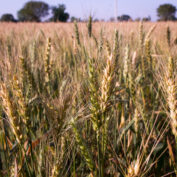
Case Studies: Building Markets for Better Nutrition
Case studies from the Millers for Nutrition coalition highlight practical approaches to strengthening markets and expanding access to nutritious foods through food fortification.
Case studies from the Millers for Nutrition coalition highlight practical approaches to strengthening markets and expanding access to nutritious foods through food fortification.
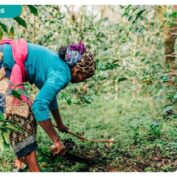
A paper from Sustainable Food Lab and TechnoServe finds that regenerative agriculture can eliminate or shrink the living income gap for coffee farmers and outlines additional approaches to boost livelihoods and resilience.
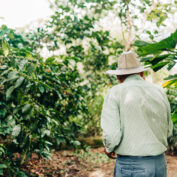
How does regenerative agriculture impact the ability of coffee-farming households to earn a living income? A new paper provides data from seven countries.
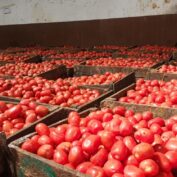
Kenya produces large volumes of nutritious produce, but much of it is lost before it can reach families. Learn how NutriSave is working to address this challenge.
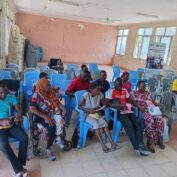
In 2000, 10 women came together around a simple yet radical idea: to build a space where they would no longer be sidelined. They formed the Tunaweza Persons With Disability Community-Based Organization, choosing a Swahili name that translates to “We Can.”
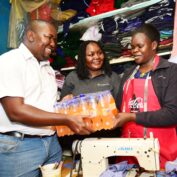
TechnoServe and Coca-Cola Beverages Africa in Kenya launched a tailored business mentorship program to break down barriers to entrepreneurship.
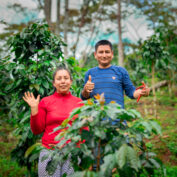
This month, we’re sharing postcards from TechnoServe staff who are creating change in communities across Africa, Latin America, and Asia. Get a glimpse into their daily routines and learn about the clients they support every day.
This graduation season, as many young people finish school and begin to consider their next steps, entrepreneurship presents a promising opportunity. Seven entrepreneurs who made that leap share their challenges, biggest lessons, and advice for peers considering the same path.
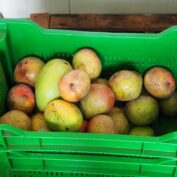
New research tracing tomatoes, mangoes, and dark leafy greens through Nairobi's wholesale markets reveals where losses happen — and who is best placed to fix them.
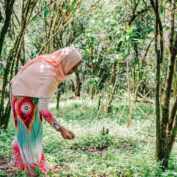
The new report, backed by UNIDO and leading coffee companies, highlights where farmers are most vulnerable to climate change and identifies opportunities to strengthen the sector’s future.
